When it comes to health, the focus is often on what we do rather than when we do it. But, in fact, most of the body’s essential processes are governed by biological rhythms. These cyclical patterns, controlled by our internal clock, regulate everything from sleep and digestion to cognitive function and hormonal balance. By aligning our daily routines with these biorhythms, we can enhance both our physical and mental health.
While most of us are familiar with the circadian cycle, our biological rhythms actually fall into three categories: ultradian, circadian and infradian. Circadian rhythms follow an approximately 24-hour cycle and are primarily influenced by light and darkness. Within this daily framework are ultradian rhythms that recur repeatedly throughout the day in periods of hours, minutes and even seconds. These shorter cycles regulate brain activity, hormone secretion, heart rate, energy levels, sleep cycles and appetite. Infradian rhythms, on the other hand, last longer than 24 hours, spanning weeks or months: the female menstrual cycle is a prime example.
 Photo © Six Senses
While it’s possible to promote health and productivity by maintaining well-regulated rhythms, modern lifestyles can severely disrupt our body’s internal clock. Exposure to artificial light, late-night snacking and stimulants like caffeine can all throw our natural rhythms out of sync, weakening our mood and our ability to digest, defend or perform. By tuning into natural cues, we can work with our body; it’s as simple as noticing how we feel and responding to it. Lacking energy, eat. Experiencing brain fog, take a break. Sounds easy, but today’s society has left us less attuned to our natural instincts than ever. Ignoring obvious cues can negatively impact both brain and body functions, creating a domino effect that will eventually lead to a lengthening list of health issues.
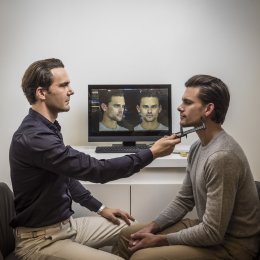
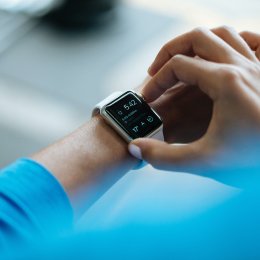
Wearables, such as the Oura Ring, can be useful for keeping tabs on our cycles and signals. But there are also expert-backed, tech-free tips to help keep you ticking along.
Brighten Your Days
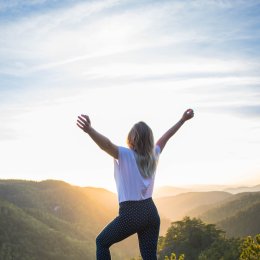
Natural light is crucial for regulating ultradian and circadian rhythms. Russell Foster, the director of the Sleep and Circadian Neuroscience Institute at Oxford University and author of Life Time, recommends taking a “photon shower” as soon as you wake up. He advises stepping outside for at least half an hour to get enough bright light to synchronise your biological clock.
 Photo © Six Senses
Keep it Consistent
According to Lynne Peeples, author of The Inner Clock, our bodies crave consistency. When we establish regular habits, such as eating or exercising at the same time each day, our internal clocks pick up on these predictable cues and start prepping our physiology ahead of time.
Tighten Your Mealtimes
Foster notes a gradual shift in our eating habits over time. Today, long commutes, demanding work schedules and easy-to-prepare processed foods are pushing our main meal to an irregular mid- to late-evening time slot. He warns that this pattern is detrimental to our circadian-regulated metabolism, explaining that eating late in the day has been shown to increase the chances of weight gain and the susceptibility to metabolic problems such as Type 2 diabetes. In addition, digestive processes are reduced towards bedtime, so if the major meal of the day is right before bed, this can lead to digestive health issues. Peeples’ advice: consume your calories between late morning and afternoon, when the body is most ready to process food.
 Photo © Six Senses
Follow a “Work-Rest” Cycle
Ultradian rhythms control fluctuations in alertness and productivity throughout the day, affecting mental clarity and stress levels, making it essential to honour natural work-rest cycles. Peeples suggests aligning your breaks with your daily dips in energy. For many of us, that slump strikes in the mid-afternoon. Peeples’ advice: “Take a short power nap or get outside for a walk and a dose of daylight, [and] you will likely come back more focused and productive.”
Recalibrate your rhythms at these global wellness havens.
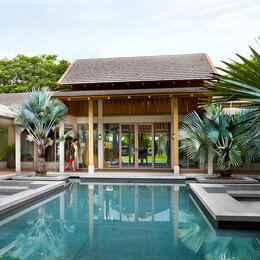
Thai wellness temple Kamalaya Koh Samui takes a holistic approach to restoring and optimising biorhythms. Movement practices such as qi gong and stretching are scheduled in alignment with the body’s natural energy peaks and dips, while mindfulness sessions, including guided meditation and breath work, ensure optimal cognitive and emotional function throughout the day. Guests can opt for cuisine crafted with low-inflammatory, nutrient-dense ingredients to stabilise blood sugar and promote sustained energy levels, and meals are complemented by herbal infusions and adaptogenic supplements that further support the nervous system, reducing cortisol fluctuations that can disrupt natural cycles.
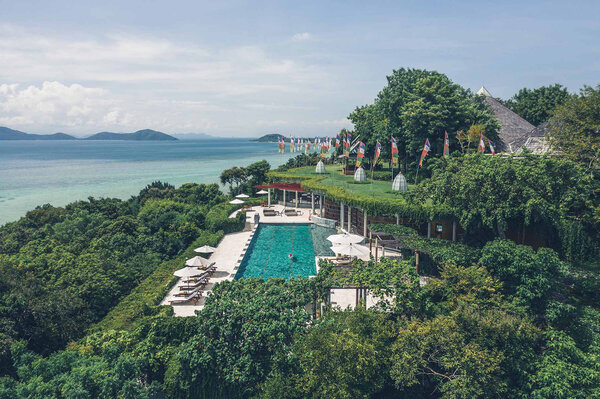 Photo © Kamalaya
Six Senses Vana, set at the foot of the Himalayas, has recently launched the “Embrace Your Cycle” wellness programme, a 10-night retreat designed for those looking to manage lifestyle-related disorders, irregular cycles and hormonal imbalances. The programme aims to enhance understanding, optimisation and management of hormonal rhythms, empowering guests to achieve improved physical and mental wellbeing. Through a combination of wellness consultations, yoga, healing treatments and detox therapies, the retreat provides guests with the tools and knowledge to regain control over their bodies through better hormonal balance.
The renowned Swiss medi-spa Chenot Palace Weggis has introduced an innovative new “Sleep Cycles” module at its flagship property on Lake Lucerne. As an additional component of the seven-night “Recover & Energise” programme, the new regimen has been designed to reset circadian rhythms, combining targeted daytime treatments and activities with optimal sleep practices to enhance the body’s sleep architecture and support restorative processes. The programme is tailored to guests’ chronotypes, with treatments and wake-up times aligned to their natural rhythms.
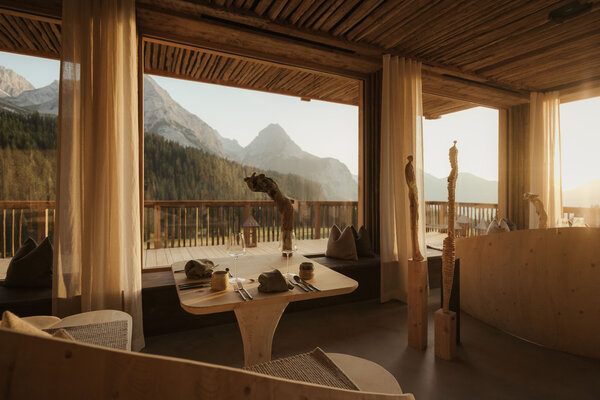 Photo: Eriro © Alex Moling
Modern life often disrupts our biological rhythms; making time in nature one of the best ways to restore balance. Surrounded by Alpine landscapes and accessible only by cable car, Eriro – a mountain retreat in Austrian Tyrol – offers full respite from urban overstimulation, allowing the mind and body to slow down and align with nature’s clock. Guests can immerse themselves in the great outdoors through guided mountain hikes, forest meditation sessions and spa treatments infused with seasonal, region-specific ingredients. Every detail at Eriro has been designed to cultivate a stress-free, screen-free sanctuary for deep rest and renewal, including the floor-to-ceiling windows that flood the space with natural light, allowing guests to gently recalibrate their circadian rhythms.


 Read more